Capacity That Supports Modern Electrical Demand
Panel Upgrades in Bulls Gap for properties with undersized service, outdated components, or insufficient capacity for appliances and equipment
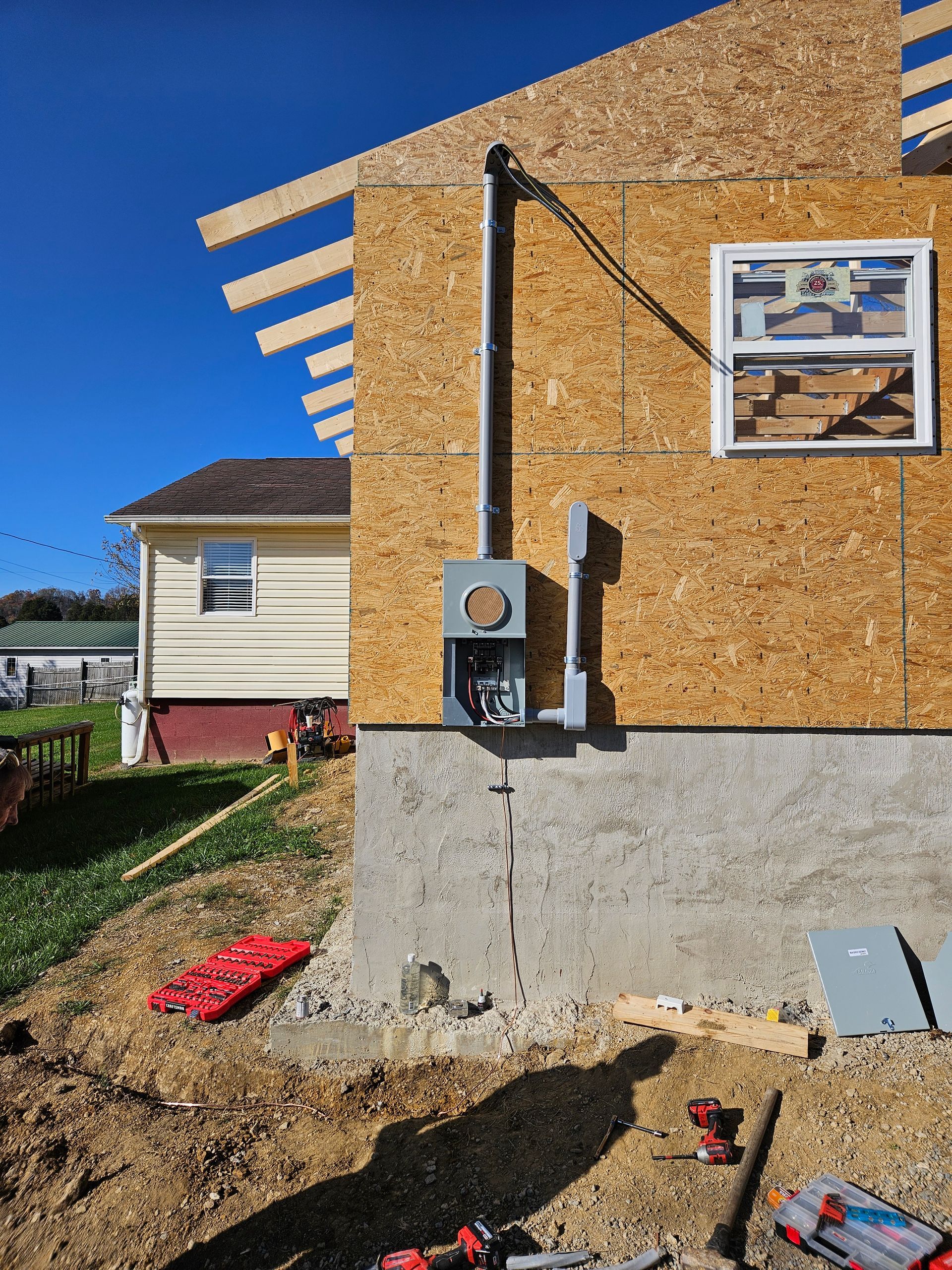
Older East Tennessee homes frequently operate with 100-amp or smaller service panels that cannot support modern loads from HVAC systems, electric vehicle charging, and multiple high-draw appliances running simultaneously. Panel upgrades replace outdated or undersized electrical panels with appropriately sized service equipment, reconfigure breaker layouts to distribute loads evenly, and coordinate with utility providers to upgrade main service capacity when needed. Bright Way Electrical LLC manages panel replacement projects across Bulls Gap, handling load calculations, permit filing, and inspection coordination so property owners don't navigate the approval process independently. Upgraded panels eliminate nuisance breaker trips, provide space for additional circuits, and prepare homes for solar panel integration or electric vehicle charging infrastructure.
Load assessment determines total electrical demand based on existing circuits, planned additions, and future capacity needs such as EV charging or backup generator connections. Panel replacement involves coordinating a temporary service interruption with the utility, removing the existing panel and service entrance components, installing new service equipment with appropriate amperage rating, and configuring breakers to match your building's circuit layout. All work requires permit approval and final inspection before the upgraded service is released for use.
Request a load evaluation to determine whether your current panel can support planned additions or if an upgrade is required before proceeding.
Why Proper Panel Sizing Prevents Future Limitations
Panel capacity must account for continuous loads like HVAC systems and water heaters plus intermittent loads from appliances, tools, and charging equipment, with sufficient margin to prevent operating near maximum capacity. Undersized panels force you to choose which equipment can run simultaneously, cause breakers to trip when multiple loads start at once, and limit your ability to add circuits for new appliances or building additions. Main service coordination ensures that the utility transformer and service drop can deliver the upgraded amperage without requiring additional infrastructure on their side.
Once the panel upgrade is complete, your electrical system supports all existing loads plus additional capacity for future needs without breakers tripping or voltage sagging when major appliances start. You'll notice that lights remain steady when the air conditioner or heat pump cycles, and you can operate multiple high-draw devices simultaneously without interruption. The new panel includes clearly labeled breaker positions with space for additional circuits, making future electrical additions straightforward without requiring another panel replacement.
Upgrade projects include full permit handling and inspection scheduling, eliminating the need for property owners to coordinate with municipal authorities or understand technical requirements for service entrance installations. Documentation provided after completion includes updated load calculations, panel schedule showing all circuit assignments, and approved inspection certificates required for insurance or real estate transactions.
Questions Before Starting Your Project
Panel upgrades involve coordination with utility providers and municipal inspectors, so understanding the process helps you plan for service interruptions and timeline expectations.
How long does a panel upgrade take from start to finish?
Permitting typically requires several days to weeks depending on municipal processing times, while the actual panel replacement and utility coordination usually takes one to two days once permits are approved and materials are staged.
What size panel do I need for a home with electric heat and planned EV charging?
Most homes with electric heating, central air conditioning, and plans for Level 2 EV charging require 200-amp service, though load calculations based on actual equipment and square footage determine the exact requirement for code compliance.
Why do some panel upgrades require utility company involvement?
Upgrading from 100-amp to 200-amp service often requires the utility to install a larger transformer, upgrade the service drop, or verify that existing infrastructure can deliver the increased capacity without overloading their distribution system.
What happens to existing circuit wiring when the panel is replaced?
Existing circuit wiring remains in place and is reconnected to the new panel, though any circuits not meeting current code standards are flagged during inspection and may require updates to pass final approval.
How much does a panel upgrade cost compared to other electrical projects?
Panel upgrades vary based on amperage increase, service entrance work required, permit fees, and whether utility coordination involves infrastructure upgrades, making cost estimates dependent on site-specific conditions and existing service configuration.
Bright Way Electrical LLC handles panel upgrade projects from load assessment through final inspection, coordinating all permit and utility requirements for residential and commercial properties in Bulls Gap. Call (423) 923-4144 to discuss your electrical capacity needs and determine whether an upgrade is required for your planned improvements.