Wiring Networks for Performance and Reliability
Ethernet Cable Installation in Bulls Gap for stable data connectivity in homes and offices that rely on consistent internet speed
Bright Way Electrical LLC installs structured ethernet cabling for residential and commercial properties across Bulls Gap and East Tennessee. Proper data connectivity depends on cable routing that avoids interference, professional-grade termination at both panel and endpoint, and line testing to verify speed capability. You need this service when WiFi signals drop in certain rooms, when you're setting up a home office that requires uninterrupted video conferencing, or when you're installing network equipment that demands wired connections for security and performance.
The installation involves running CAT6 or CAT6A cable through interior walls, conduit, or surface-mounted channels depending on your building layout and accessibility. Each cable run is terminated with connectors designed to maintain signal integrity, tested for line performance, and labeled at the panel so future modifications or troubleshooting can be done without guesswork. This process eliminates the bandwidth limitations and connectivity interruptions that often occur with wireless-only setups, particularly in larger homes or spaces with multiple users streaming, gaming, or working simultaneously.
Schedule a property evaluation to map optimal cable routing based on your network requirements and building structure.
How Structured Cabling Differs from Standard Wiring
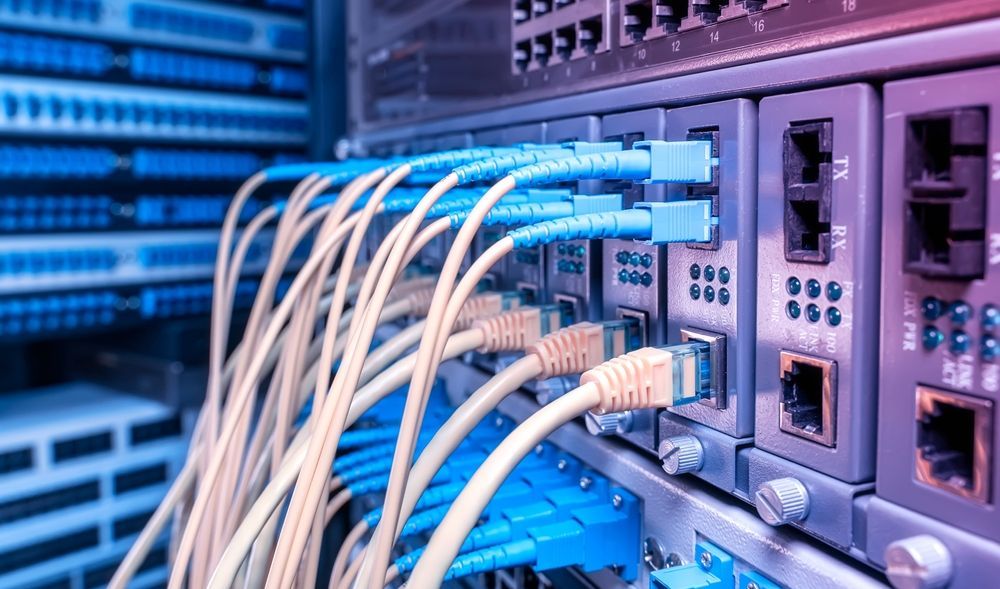
Ethernet installation requires attention to cable shielding and bend radius that standard electrical wiring does not. CAT6A cable, for instance, supports speeds up to 10 gigabits per second but only if installed without sharp bends that damage internal conductors and if kept away from electrical lines that introduce interference. Licensed installers also verify that cable runs stay within the 328-foot maximum length between switch and endpoint to prevent signal degradation.
Once the system is operational, you'll notice devices connect instantly without searching for signals, file transfers between computers complete in seconds rather than minutes, and video calls remain stable even when multiple devices are active on the network. Bright Way Electrical LLC ensures that each termination point is tested for full speed capability before the job is considered complete, so your investment delivers the performance you expect from day one.
The installation includes labeling each cable at the distribution panel and at wall plates, which becomes essential if you later add network devices, relocate equipment, or troubleshoot a connection issue. Without clear labeling, identifying which cable serves which room turns into trial and error that wastes time and risks accidental disconnection of active lines.
What Property Owners Ask Before Installation
Network cabling questions often focus on planning, cost considerations, and how the installation integrates with existing systems.
How many cable runs do I need for a home office and entertainment system?
Most setups benefit from at least one drop per room where devices will be stationed, with additional runs for stationary equipment like desktop computers, smart TVs, gaming consoles, and network-attached storage that perform better on wired connections than WiFi.
What is the difference between CAT6 and CAT6A cable?
CAT6 handles gigabit speeds effectively for runs under 180 feet, while CAT6A supports 10-gigabit speeds over the full 328-foot distance and includes better shielding against interference, making it the better choice for future-proofing your network infrastructure.
Can ethernet cable be installed in an existing home without tearing up walls?
In many cases, cable can be fished through existing wall cavities, run through attics or crawlspaces, or routed along baseboards using surface-mounted channels, depending on your home's construction and where you need connectivity in Bulls Gap properties.
Will wired connections actually improve internet speed compared to WiFi?
Wired connections eliminate the signal loss, interference, and bandwidth sharing that occur with wireless networks, so devices receive the full speed your internet service provides rather than a fraction of it during peak usage times.
How long does a typical residential ethernet installation take?
Single-room installations often complete in a few hours, while whole-home structured cabling systems that serve multiple floors and rooms generally require a full day, depending on accessibility and the number of termination points.
Bright Way Electrical LLC handles the entire installation process from initial layout design through testing and labeling, ensuring your network operates at full capacity from the moment it goes live. Request a consultation to review your connectivity needs and building layout for accurate planning.