Charging Infrastructure That Actually Works Daily
EV Charger Installation in Bulls Gap for residential properties adding electric vehicle charging capacity
A master electrician evaluates home electrical capacity, runs dedicated circuits, handles all permitting and inspection coordination so homeowners avoid costly rework after installation. Bright Way Electrical LLC installs EV chargers with master-level expertise and permit handling throughout Bulls Gap and East Tennessee, where rising EV adoption in new builds and residential upgrades creates demand for proper installation that meets code requirements. Your charger operates reliably every night without tripping breakers, delivers consistent charging speeds that match manufacturer specifications, and passes inspection without requiring electrical panel upgrades or circuit modifications after the fact.
Full installation begins with panel assessment to determine whether your existing electrical service has capacity for the additional load an EV charger creates, typically 30 to 50 amps depending on charger model. If capacity exists, electricians run a dedicated circuit from the breaker panel to the charger location using appropriately sized wire and conduit. If your service is insufficient, the installation includes panel upgrade or service increase coordination with the utility provider before charger connection.
Schedule a property evaluation to assess your electrical panel capacity and determine charger placement options.
What You Notice Once Charger Installation Is Finished
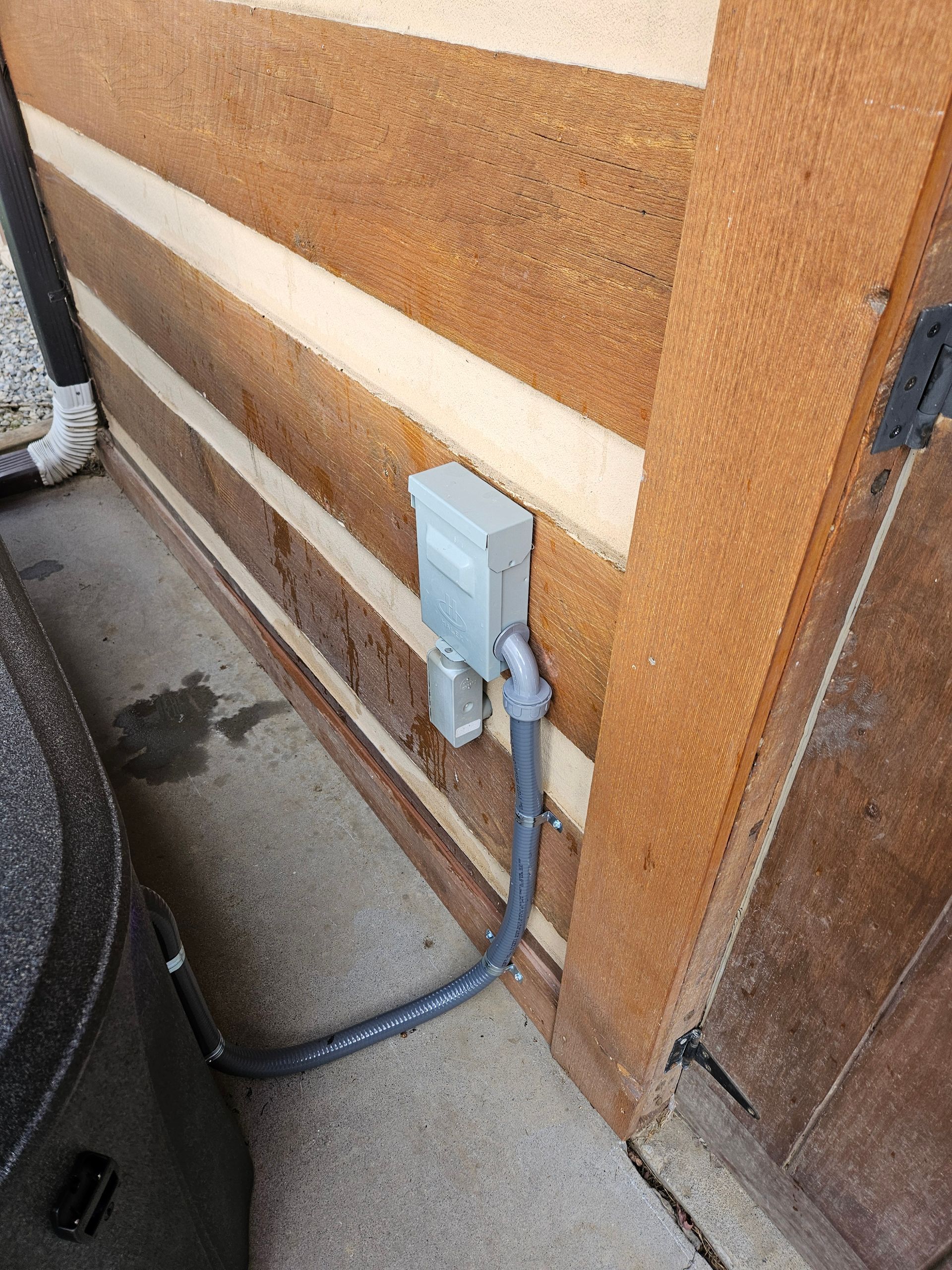
The installation process requires running a dedicated 240-volt circuit from your main breaker panel to the charger mounting location, typically in a garage or exterior wall near where you park. Wire sizing matches the charger's amperage draw to prevent overheating, and all connections use weatherproof enclosures if the charger mounts outdoors. The electrician installs a dedicated breaker rated for the charger's load, verifies ground continuity throughout the circuit, and tests charging function before finalizing the installation.
Once complete, your EV charges overnight at Level 2 speeds that fully replenish battery capacity by morning, typically adding 25 to 30 miles of range per hour compared to the 4 to 5 miles per hour that standard 120-volt outlets provide. The charger operates without causing voltage sags that dim lights or disrupt other electrical devices, and the dedicated circuit prevents nuisance breaker trips that interrupt charging mid-cycle.
Permit handling and inspection coordination are included in the service, ensuring the installation meets National Electrical Code requirements and local amendments specific to East Tennessee jurisdictions. Bright Way Electrical manages all utility coordination if service panel upgrades are necessary to support the charger's electrical demand.
What Property Owners Usually Ask
Homeowners in Bulls Gap and nearby Knoxville often need clarity on installation requirements and electrical system compatibility before adding EV charging infrastructure.
How do I know if my electrical panel can handle an EV charger?
Panel assessment checks available breaker slots, total service amperage, and current electrical load. Most homes need at least 200-amp service to add a Level 2 charger without exceeding safe capacity, though lower-amperage chargers can work with 100-amp or 150-amp panels if other loads are modest.
What's the difference between Level 1 and Level 2 EV charger installation?
Level 1 chargers plug into standard 120-volt outlets and require no special installation but charge slowly. Level 2 chargers require dedicated 240-volt circuits installed by licensed electricians and deliver charging speeds four to six times faster than Level 1 equipment.
Why does EV charger installation require permits and inspections?
Chargers draw significant continuous loads that can overload electrical systems if installed improperly. Permits ensure installations meet code requirements for wire sizing, circuit protection, and grounding, preventing fire hazards and electrical failures that unsafe installations create.
When should I install an EV charger during new construction versus retrofitting an existing home?
New construction allows electricians to plan charger circuits during initial system design and run wiring before walls close. Retrofitting requires running new circuits through finished spaces, which may involve surface-mounted conduit or routing through attics and crawlspaces to reach the charger location.
What credentials does an electrician need to install EV chargers correctly in East Tennessee?
EV charger installation requires a master electrician license to handle the high-amperage circuits, permit applications, and final inspection sign-off that Tennessee and local jurisdictions mandate for this type of electrical work.
Bright Way Electrical LLC evaluates electrical capacity and coordinates all installation phases for Bulls Gap area properties, from initial panel assessment through final inspection and charger activation. Request a consultation to discuss charger models compatible with your vehicle and home electrical system.