Finding the Fault Before It Causes Damage
Electrical Troubleshooting in Bulls Gap for circuit failures, intermittent power loss, and grounding issues that disrupt daily operations
Intermittent power loss in one room often points to a loose connection or degraded wire insulation, but the actual fault could be anywhere along that circuit from the panel to the last outlet on the line. Bright Way Electrical LLC systematically isolates electrical faults in residential and commercial properties across Bulls Gap, using diagnostic tools to identify root causes before making repairs. Older East Tennessee homes frequently develop issues in original wiring systems, outdated panels, and grounding pathways that no longer meet current safety standards, making accurate diagnosis essential to prevent recurring failures or safety hazards.
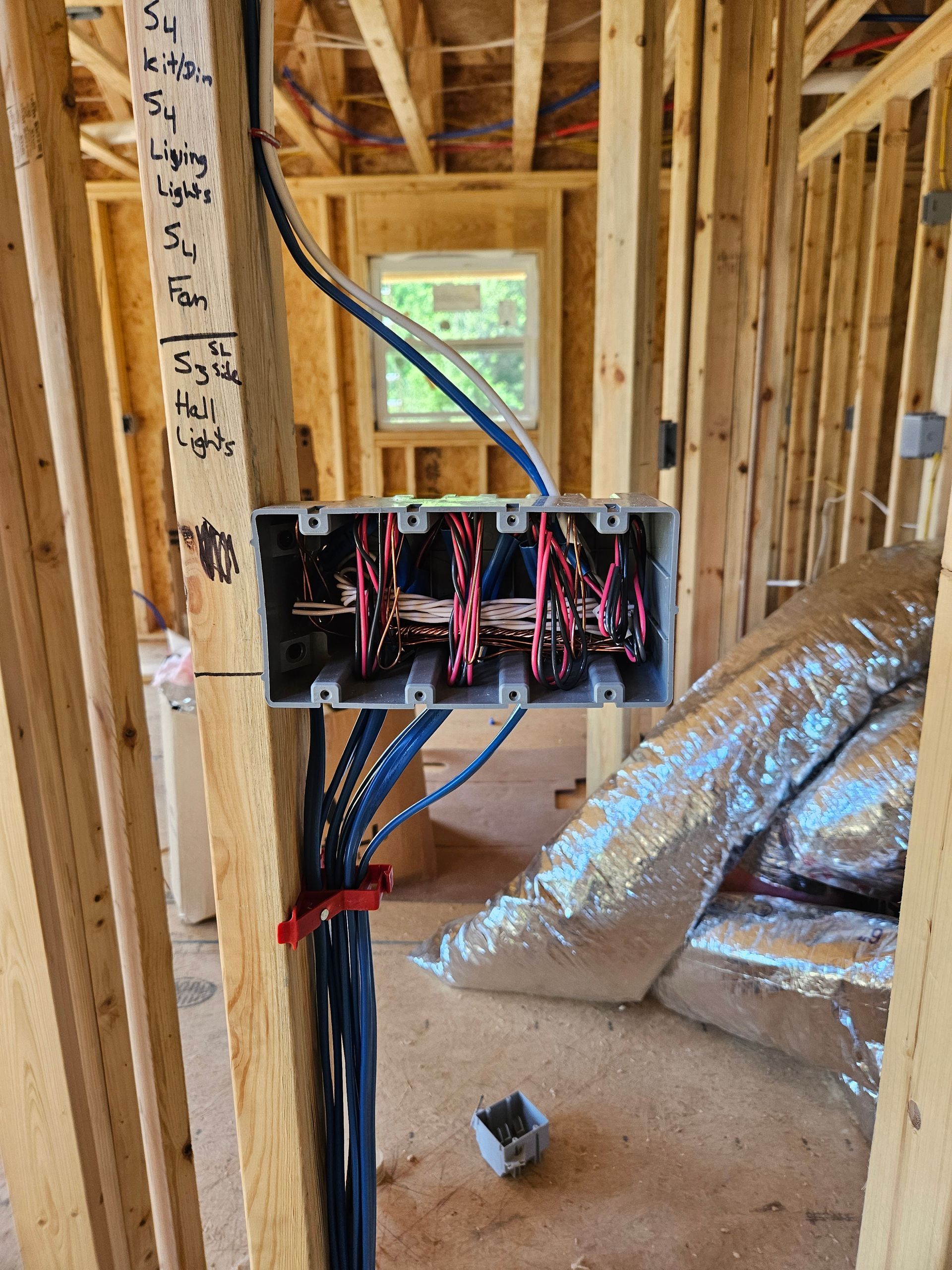
Troubleshooting begins with circuit mapping to determine which breaker controls the affected area, followed by voltage testing at multiple points to locate where power drops or stops. Inspecting connections inside junction boxes and outlet enclosures often reveals burned terminals, loose wire nuts, or aluminum wiring that has oxidized and lost conductivity. The process identifies whether the problem stems from a single device, a damaged wire segment, or a panel issue affecting multiple circuits.
Arrange an on-site evaluation to diagnose persistent electrical issues before they escalate into equipment damage or safety risks.
How Systematic Diagnosis Prevents Recurring Problems
Effective troubleshooting separates symptoms from underlying causes by testing voltage, continuity, and ground resistance at each stage of the affected circuit. Simply replacing a tripped breaker without identifying why it tripped means the fault remains active, potentially causing the same failure days or weeks later. Master-level diagnosis accounts for load imbalances, shared neutral issues, and outdated wiring methods common in East Tennessee housing stock built before modern code standards.
After the repair is complete, you'll notice that power remains consistent without voltage fluctuations, breakers no longer trip under normal load, and devices plugged into previously problematic outlets function without interruption. Testing confirms that all connections are secure, grounding paths are intact, and the circuit can handle its intended load without overheating or causing nuisance trips.
The diagnostic process includes documenting any code violations found during troubleshooting, such as missing ground wires, improper junction box covers, or circuits exceeding safe load limits. These findings help property owners prioritize repairs that address both immediate faults and long-term safety concerns before they require emergency intervention.
Answers to Frequent Service Questions
Electrical faults present differently depending on their cause and location, so understanding what to expect during troubleshooting helps you provide useful information when calling for service.
What causes outlets to work intermittently in older homes?
Loose wire connections inside outlet boxes, degraded wire insulation, or backstab connections that have lost tension are common in East Tennessee homes over thirty years old, where original wiring has experienced decades of thermal expansion and contraction.
How do you find a fault in a circuit that works sometimes but fails unpredictably?
Voltage drop testing under load reveals weak connections that only fail when current flow increases, while thermal imaging can identify overheating components that cause intermittent failures as they heat and cool throughout the day.
Why does one breaker keep tripping when nothing has changed?
Cumulative degradation in wire insulation, moisture intrusion in outdoor circuits, or a failing appliance drawing excessive current can all cause breakers to trip more frequently as components age and tolerances tighten.
What's the difference between a wiring fault and a grounding issue?
Wiring faults interrupt current flow and cause power loss, while grounding issues allow power to flow but create shock hazards or prevent GFCI devices from functioning correctly during fault conditions.
How long does it take to troubleshoot and repair an electrical fault?
Simple issues like a single failed outlet or loose panel connection are often resolved in under an hour, while tracing faults through walls or diagnosing shared neutral problems in multi-circuit systems may require several hours depending on building layout and access.
Bright Way Electrical LLC handles electrical troubleshooting with same-day availability for Bulls Gap properties experiencing circuit failures or safety concerns. Call (423) 923-4144 to schedule diagnostic service and resolve persistent electrical issues before they escalate.